How is Dreambase Different?
If your source of truth is Supabase, Dreambase minimizes setup and avoids the usual tracking-plan drift, ad-blocker blind spots, and consent complexity. It generates explainable reports from your real tables. Dreambase’s differentiation is database-first accuracy, zero client tagging, and AI-native reporting. Bottom line: it’s best when your product telemetry already lives in Supabase.
Analytics Categoric Breakdown
Let's compare the major players in categories
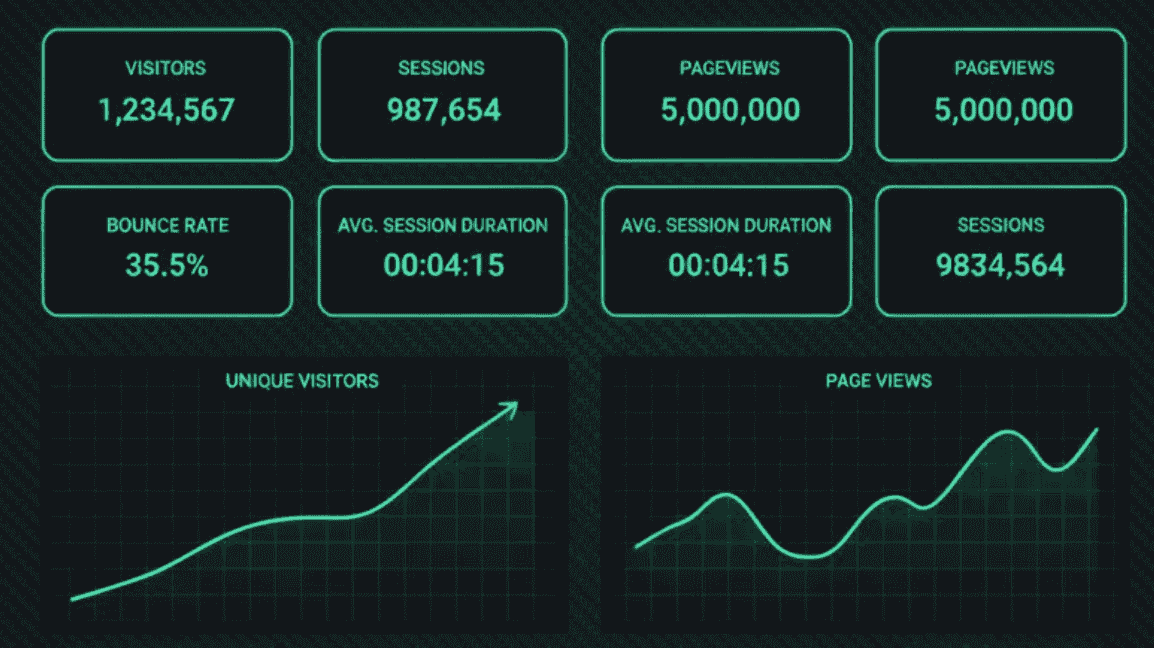
Vistor / Browser / Pageviews
Web Analytics
OpenPanel
Plausible
Fathom
Simple Analytics
Cyan Stats
Databuddy
Wide Angle Analytics
Vemetric
Umami (also product-leaning)
Google Analytics (GA4)
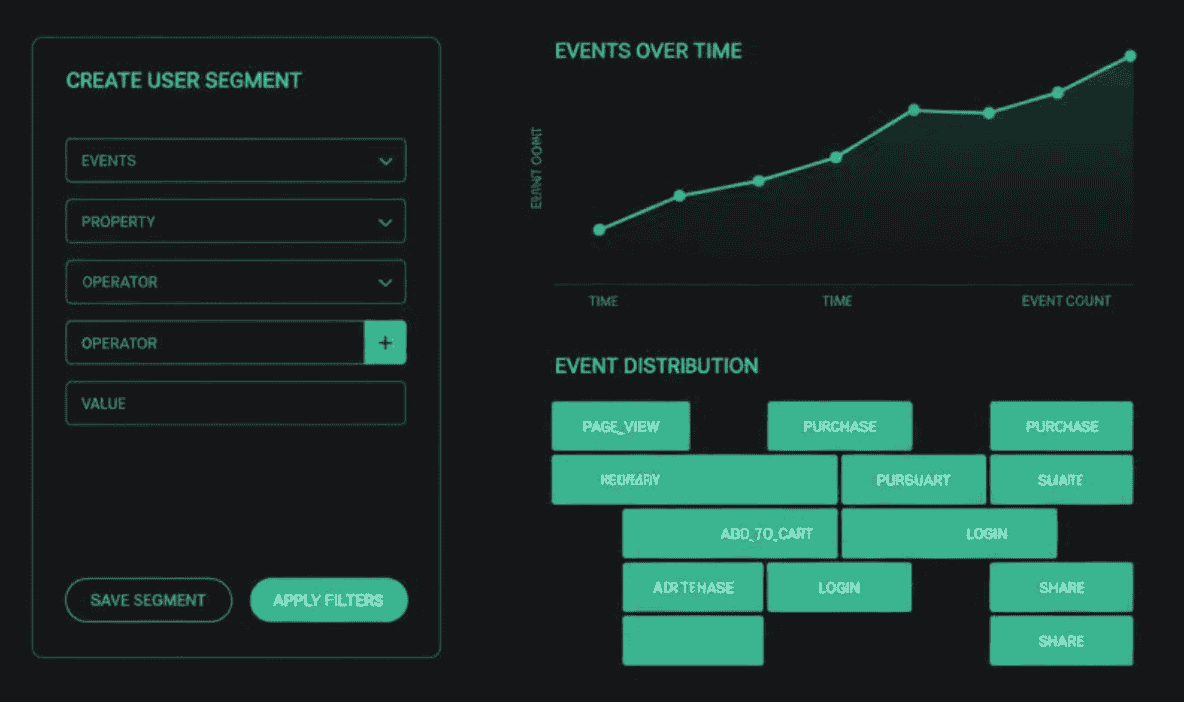
Click Tracking / Funnels / Journeys / Heatmaps
Behavioral Analytics
Seline
Usermaven
OpenPanel
Umami
DataFast
MetricsWave
Rybbit (includes funnels/journeys)
Overtracking (notable: cookie-free heatmaps)
Heap (autocapture with retroactive event definition)
PostHog (behavior + flags + replay)
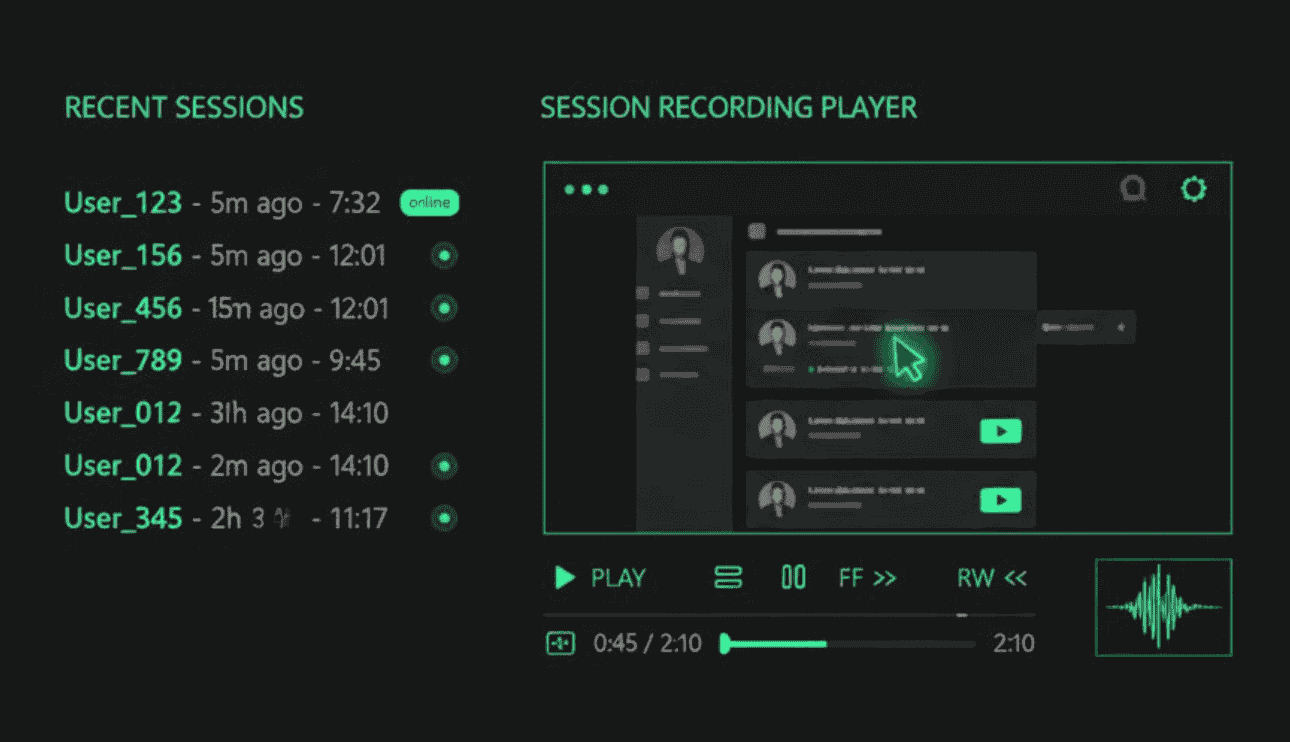
Full Session Playback
Session Recording
FullStory
Microsoft Clarity (free heatmaps + session recordings)
Hotjar (heatmaps + surveys)
PostHog (session replay module)
Rybbit (session replay)
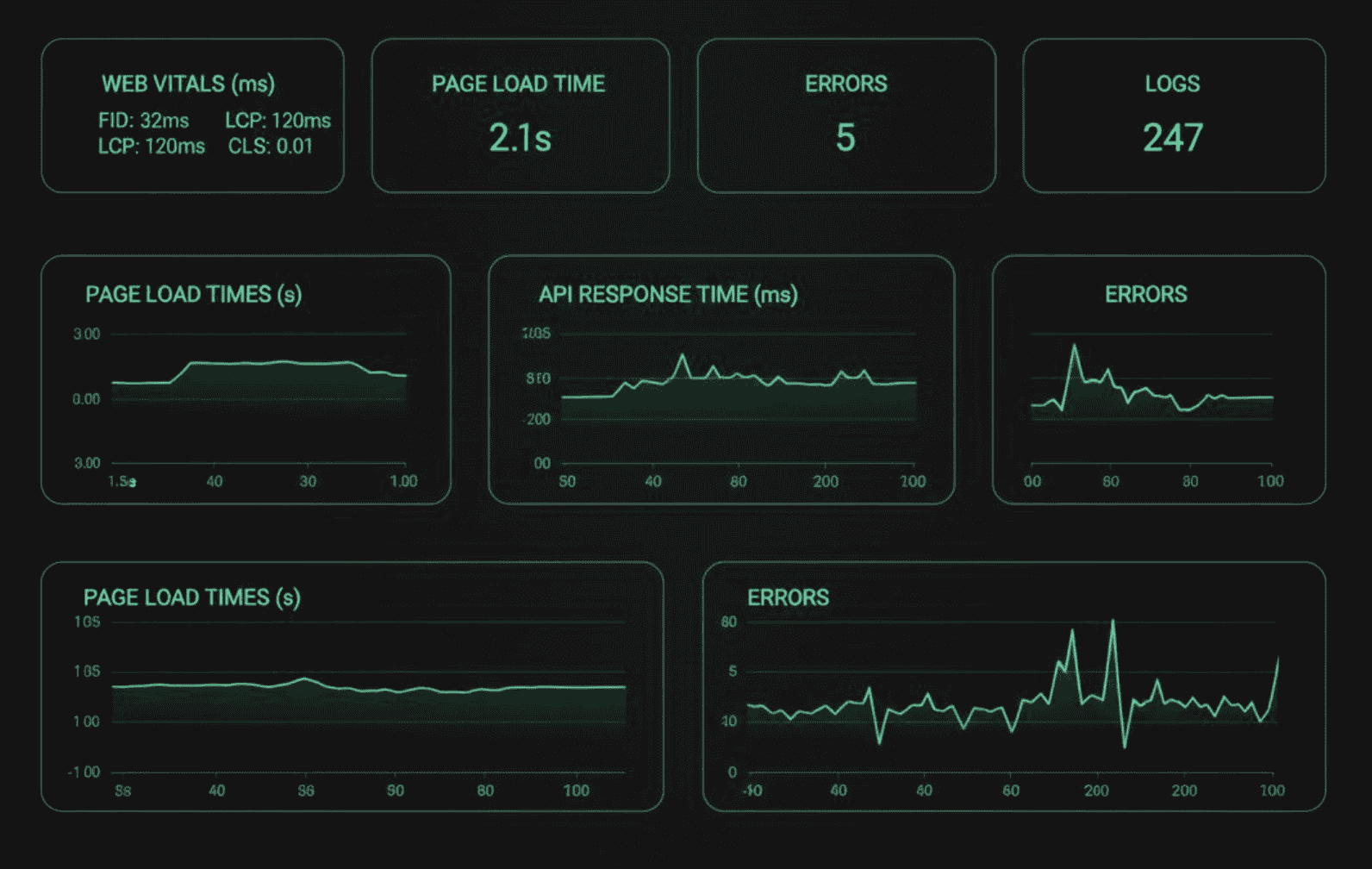
Monitoring / Performance / Alerts / Errors
Observability & Monitoring
New Relic: APM + infrastructure + logs + RUM + synthetics (full‑stack observability).
Splunk: Log analytics plus observability suite (metrics, traces, RUM).
Grafana: Observability tooling and visualization across metrics/logs/traces (Prometheus/Loki/Tempo).
Sentry: Error/crash monitoring with performance tracing (developer‑centric).
Datadog: End‑to‑end observability (APM, infra, logs, traces, RUM, synthetics).
Database / MCPs / APIs
AI-Native Analytics
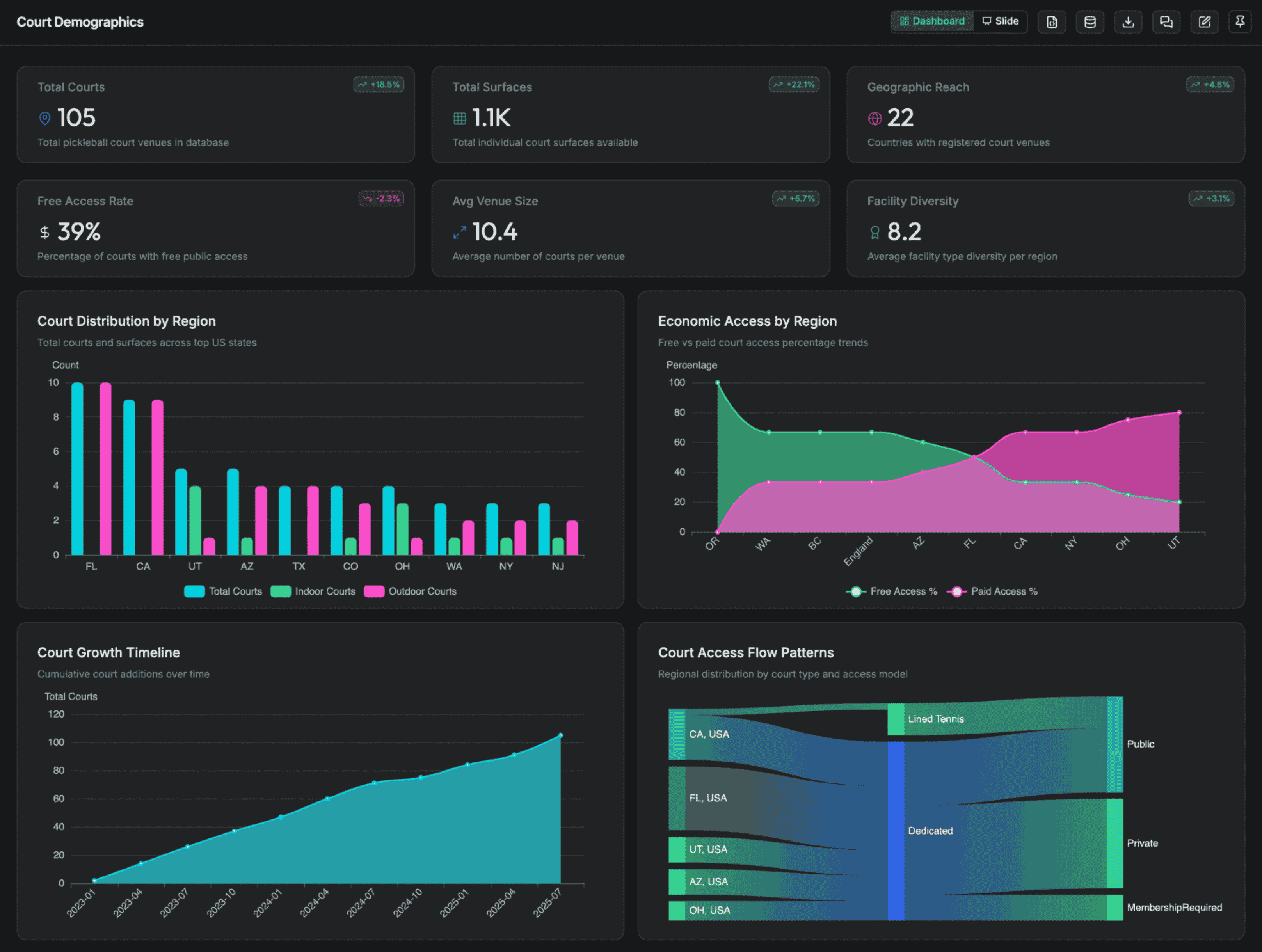
Dreambase (Supabase/Postgres, AI-native, DB-first)
Mixpanel (event/cohort–first; closest alternative in product insight depth but SDK-based)
Amplitude (enterprise event analytics + experimentation; SDK-based)
Adobe Analytics (enterprise digital analytics)
Heap (autocapture product analytics; SDK-based)
PostHog (OSS product analytics + flags; SDK-based)
Dreambase vs Web Analytics Solutions
Teams on Supabase who want trustworthy, AI-generated product/marketing insights directly from their database—fast, explainable, multiplayer, and automation-friendly.
| Tool | Standout uniqueness | Key strengths | Notable limitations | Dreambase vs. this |
|---|---|---|---|---|
| Dreambase | AI agents generate explainable reports directly from Supabase/Postgres; slide mode; MCP/API; Slack | Source‑of‑truth accuracy; no consent complexity; instant dashboards | Needs well‑modeled data in Supabase; no replay/heatmaps | Use for DB‑native insights; pair a replay tool for UX visuals |
| Plausible | Ultra‑light, EU‑hosted, codeless goals/funnels | Fast, privacy‑friendly site analytics; simple dashboards | Advanced product analytics requires custom modeling | Dreambase deeper on product/CRM; Plausible great for site traffic |
| Fathom | Single‑line script, forever retention | Ease, compliance, bot filtering | Limited product telemetry depth | Dreambase for product metrics; Fathom for simple KPIs |
| Simple Analytics | Strict no‑PII/referrer model; easy exports | Privacy by design; BI export friendliness | Heavy product use needs event work | Dreambase couples entities/revenue; SA excels at clean site stats |
| Rybbit | Adds session replay + funnels/journeys | Privacy + product features in a simple UI | Still a tracker; modeling needed | Dreambase wins on DB truth; Rybbit adds replay |
| Umami | Popular open source; funnels/retention | Cost‑effective; flexible | Requires setup and event modeling | Dreambase faster to insights if DB is ready |
| OpenPanel | “Mixpanel + Plausible” simplicity; self‑host option | Real‑time events, funnels, retention | Event limits; still tracker-based | Dreambase more accurate via DB; OpenPanel flexible |
| Usermaven | AI multi‑touch attribution; CRM/LTV tie‑in | Unified marketing + product attribution | Tracker ecosystem, setup choices | Dreambase avoids tracker drift; UM strong for marketing attribution |
| Seline | AI assistant; revenue attribution; churn filters | Intuitive funnels/journeys; ~2kb footprint | No replay; tracker-based | Dreambase for DB‑tied revenue; Seline for quick funnels |
| DataFast | Founder‑centric dashboards; revenue/visitor; live globe | Actionable marketer metrics; fast setup | Less formal privacy posture detail | Dreambase deeper on product linkage; DF quick visibility |
| MetricsWave | Generous free tier; customizable dashboards | Funnels, revenue, alerts; EU compliance | Tracker upkeep | Dreambase more robust via DB; MW good starter |
| Microsoft Clarity | Free heatmaps/session recordings | UX diagnostics at scale | Not a full analytics suite | Pair Clarity with Dreambase for qualitative UX |
| Overtracking | Cookie‑free heatmaps | Real‑time, goals, web vitals | Narrow scope vs. full analytics | Dreambase for reporting; Overtracking for heatmaps |
| Wide Angle | Ad‑blocker resistant; EU‑hosted compliance | Marketer‑focused clarity; consent‑free claims | Fingerprinting tradeoffs | Dreambase product/DB focus; WA site completeness |
| Vemetric | OSS; user journeys; event streams | Transparency; EU‑based | Maturing features; self‑host setup | Dreambase faster from DB; Vemetric flexible OSS |
| Cyan Stats | Flat $19/year; unlimited usage | Ultra‑low cost; simplicity | Minimal advanced features | Dreambase for sophistication; Cyan for basics |
| Databuddy | 3KB, zero cookies/fingerprinting | Tiny footprint; dev‑friendly | Depth depends on modeling | Dreambase stronger for product/CRM insights |
| Allinsights | AI narrative summaries replace dashboards | Fast “what’s happening” comprehension | Less analyst control/visuals | Dreambase offers AI + structured dashboards |
Dreambase vs Paid Analytics Solutions
Dreambase wins when your “truth” is in Supabase/Postgres and you want AI-generated, explainable reports without SDKs, consent banners, or ad-blocker gaps.
| Tool | Standout uniqueness | Key strengths | Notable limitations | Dreambase vs. this |
|---|---|---|---|---|
| Mixpanel | Deep cohorts/retention/funnels at scale | Mature segmentation; alerts; growth workflows | Requires precise tracking plans; costs scale | Dreambase queries real entities; faster to trustworthy revenue/cohorts if DB holds truth |
| Amplitude | Advanced pathways, experimentation, CDP | Enterprise breadth; powerful analytics UX | Complex setup; pricey; analyst overhead | Dreambase is leaner/AI‑native; less experimentation breadth |
| Google Analytics (GA4) | Ads integration; wide ecosystem reach | Acquisition reporting; “free” footprint | Consent, privacy, sampling; ad‑blocker gaps; UX complexity | Dreambase avoids consent/accuracy issues; GA4 still useful for ads |
| PostHog | All‑in‑one OSS (analytics, flags, replay) | Developer‑friendly; self‑host; broad feature set | Event modeling; infra management if self‑host | Dreambase replaces analytics layer; PostHog for flags/replay |
| Pendo | In‑app guides/NPS + analytics | Onboarding, surveys tied to usage | Heavier footprint; enterprise pricing | Dreambase for DB‑grounded metrics; Pendo when you need in‑app guidance |
| Sentry | Error monitoring/performance | Best‑in‑class issue diagnostics | Not product analytics | Complementary: Dreambase for product/revenue; Sentry for errors/perf |
| Datadog | Unified observability (APM, logs, infra) | Breadth, alerting, dashboards | Expensive; ops‑focused | Orthogonal: Dreambase for business/product; Datadog for ops |
| FullStory | High‑fidelity session replay + analytics | Searchable replay; UX debugging | Costly at scale; privacy/config overhead | Dreambase for DB insights; FullStory for qualitative replay |
| Heap | Autocapture with retroactive event definition | Fast onboarding; less upfront tagging | Data cleanliness needs curation | Dreambase uses modeled DB truth; Heap shines without instrumentation |
| Hotjar | Heatmaps + surveys | Quick UX feedback loops | Limited product analytics depth | Dreambase for metrics; Hotjar for qualitative feedback |
| Adobe Analytics | Enterprise digital analytics suite | Powerful segmentation; Adobe stack | Very complex & costly | Dreambase: lean AI‑native; Adobe: heavyweight enterprise |
| Contentsquare | Advanced DXI behavioral analytics | UX scoring, zones analysis | Expensive; setup heavy | Dreambase for product/finance; CS for enterprise UX diagnostics |
Where Dreambase Diverges
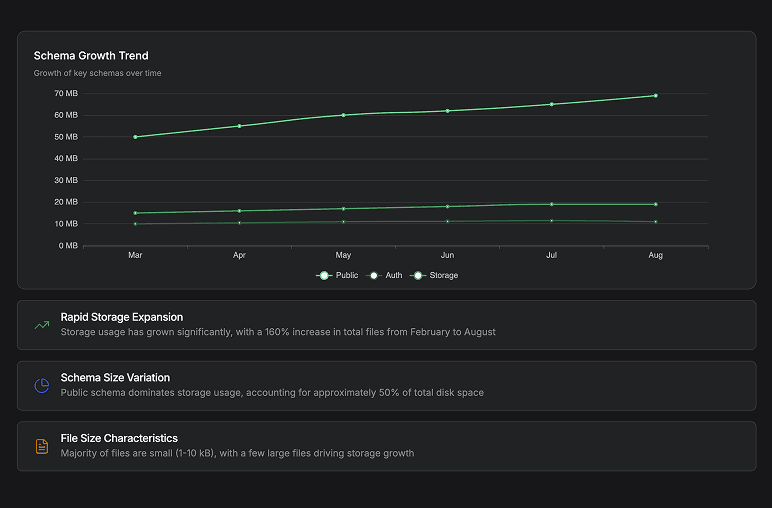
Most tools start with a browser snippet to measure visits/events, then build dashboards. That brings consent banners (if cookies/PII), ad‑blocker gaps, and tracking-plan maintenance. Dreambase flips the stack: it reads the product’s own tables in Supabase (orders, usage, signups, marketing attribution tables), then uses AI agents to produce explainable reports and dashboards, without third‑party collectors, GTM, or patched proxies.


The Bottom Line
Use Dreambase when your product runs on Supabase and your truth is in Postgres—you’ll get instant, explainable AI reporting tied to actual business entities without tracking scripts.
Use privacy web analytics when you need lightweight, cookieless site metrics with simple goals (Plausible, Fathom, Simple Analytics, Rybbit, Wide Angle, Cyan Stats, Databuddy, Vemetric).
Add product depth (funnels/journeys/revenue) via Seline, OpenPanel, Usermaven, Umami, MetricsWave, DataFast.
Pair Clarity (or Overtracking) for heatmaps/session recordings to diagnose UX friction.
Instant Product Reports & User Insights from your Supabase Data
Create product reports & dashboards directly from your Supabase data in seconds, no third party libraries or tools required!
Reports & Dashboards
Description